Friday, 27 December 2019

Report: ClassPass is hunting for unicorn status in a new funding round

The nearly seven-year-old, New York-based fitness subscription app ClassPass is reportedly trying to raise $285 million in a new funding round that would push its valuation to more than $1 billion.

The company will issue 22.7 million Series E shares as part of the funding round, according to a securities filing obtained by Reuters from analytics firm Lagniappe Labs.

We’ve reached out to the company for more information.

According to TC’s sources, ClassPass has been in fundraising mode since at least early fall.

The company — which began life as a way for people to book classes across different fitness studios and has more recently been pushing a corporate business that sees it adding ClassPass to employee benefit packages — is right now valued at $536.4 million, according to Reuters, which cites the Prime Unicorn Index.

Its backers include the Singapore sovereign wealth fund Temasek and Alphabet, along with General Catalyst, Thrive Capital and Acequia Capital.

To date, the company has raised roughly $240 million from investors altogether, according to Crunchbase.

ClassPass was founded by Payal Kadakia, who is now the company’s executive chairman. She stepped aside in 2017 to make room for Fritz Lanman, the company’s former executive chairman and co-operator and now CEO.

Lanman acknowledged in an interview with Fortune earlier this year that the company has endured some ups and downs in its time. Though it originally charged $99 per month for an unlimited number of fitness classes in New York, it was forced to raise prices before more recently instituting fluctuating class prices based on a demand (and the availability of classes) of a particular studio. The end result: Customers currently pay between $9 and $199 per month for between 10 and 130 credits that can be spent on classes.

As for its corporate memberships, it currently promises not just classes and a way to customize programs for employees but also streaming audio and video workouts. The last owes to an investment the company made in a broadcast studio, from which it built a library of on-demand video workouts. TC covered that development back in 2018.

The company closed its most recent round of funding, an $85 million Series D round, in July 2018.


from Startups – TechCrunch https://ift.tt/364655c
via IFTTT

The year of the French unicorns

In September 2019, President Emmanuel Macron was about to wrap up a speech on late-stage investment in France. According to a press briefing and some discussions with a source, everything that he was supposed to announce had been announced.

But he dropped an unexpected number. “I’ll leave you with a goal: there should be 25 French unicorns by 2025,” Macron said. A unicorn is a private company with a valuation of $1 billion or more.

When you mention France in a conversation with foreigners, they don’t immediately think about startups. In December 2018, I covered a two-day roadshow of the French tech ecosystem with 40 partners of international venture capital firms, as well as limited partners, from Andreessen Horowitz to Greylock Partners, Khosla Ventures and more.

The same clichés came up again and again — taxes, labor law, long lunches… You name them. But it doesn’t matter if those clichés are true or not (hint: They aren’t), the French tech ecosystem has been thriving. And 2019 has been a remarkable year when it comes to reaching unicorn status and raising late-stage rounds of funding.

A new group of unicorns

According to a recent report from VC firm Atomico, there are 11 unicorns in France. Some of them have been around for years, such as BlaBlaCar (a ride-sharing marketplace for long distance rides), OVHcloud (a cloud hosting company), Deezer (a music streaming service) and Veepee (an e-commerce company formerly known as Vente-privee.com).

But in 2019 alone, a handful of companies have reached unicorn status. Here are a few examples.


from Startups – TechCrunch https://ift.tt/2ZuMjgJ
via IFTTT

Latin America Roundup: XP’s chart-topping IPO, Wildlife becomes a unicorn, SoftBank backs Konfio

December has been a strong month for Brazilian startups, bringing a big IPO and a new unicorn for local companies. Tech-driven investment firm XP Investimentos went public on the U.S. Stock Exchange in mid-December, raising $1.81 billion in the fourth-largest IPO of 2019. XP’s stock price jumped 30% on its first day of trading, from $27 per share to $34.50. 

XP was founded in 2001 to provide brokerage training classes to Brazilians to help them invest in the international stock market. Today, it is a full-service brokerage firm, providing fund management and distribution to more than 1.5 million customers in Brazil. 

Notably, XP has outlined a strategy for beating Brazilian banks, among the most profitable in the world, in its 354-page report to the SEC. Brazil’s banking market is highly concentrated, with the top five players dominating 93% of market share. This concentration has led to significant inefficiencies that XP tries to disrupt by offering a variety of financial products through an accessible online platform. 

The heavy bureaucracy of these banks will prevent them from innovating quickly enough to compete with newer institutions like XP, whose debt products are attractive to frustrated Brazilian customers. The inefficiency of the Brazilian financial system has opened opportunities for companies like XP, or neobank Nubank, to rapidly attract customers who are disgruntled with the traditional system. 

Gaming startup Wildlife becomes a unicorn

Brazil has seen a new unicorn emerge almost every month this year, and December was no exception. Gaming startup Wildlife raised a $60 million Series A round led by U.S.-investor Benchmark Capital at a $1.3 billion valuation to become the country’s eleventh unicorn. This round was big even for Silicon Valley standards, and it is uncommon for startups even in markets like the U.S. or Europe to hit a $1 billion-plus valuation in such an early round. 

Wildlife has created more than 60 games since 2011, including Zooba and Tennis Clash, which have both reached global acclaim. Founded by brothers Victor and Arthur Lazarte, Wildlife operates on a freemium model that only charges users for in-app purchases. They plan to use the funding to double their employee base and grow to $2 billion in 2020, continuing the 80% yearly growth they have seen since 2011. 

Mexico’s lender Konfio receives $100 million from SoftBank

Konfio provides small business loans in Mexico through an online platform to help SMEs gain liquidity and grow their operations. These small businesses are often overlooked by banks in Mexico and Latin America, which do not know how to price risk for businesses that process less than $10 million per year. 

Konfio recently raised $100 million from SoftBank’s Innovation Fund, the third investment that SoftBank has made into Mexico since launching the fund. The capital will go toward financing working capital loans, as well as creating new products for Konfio’s customers. Today, Konfio’s loans average around $12,000, while banks still struggle to loan less than $40,000. The tech-driven platform allows Konfio to disburse loans within 24 hours without requiring collateral.

Small business lending is a tremendous opportunity in Latin America, where banks are among the most profitable and the least competitive in the world. Brazil’s Creditas and Colombia’s OmniBnk are among the other startups providing innovative products that calculate risk more effectively than banks in Latin America’s complex lending environment.

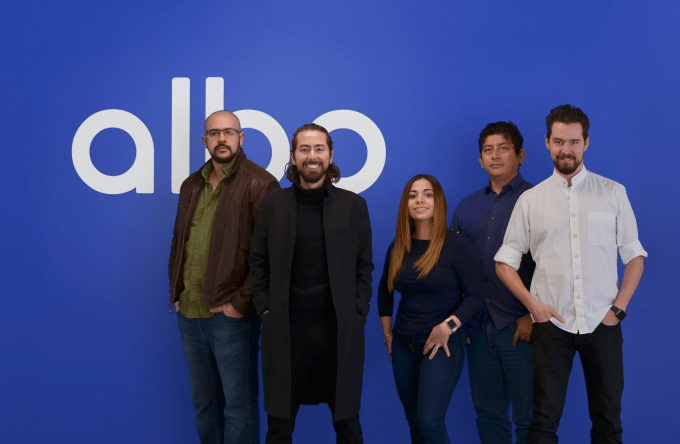
The Albo team has raised $26.4 million to scale its leading neobank.

Albo, Mexico’s leading neobank, raises $19 million

In an extension of a Series A round, Mexico’s albo raised a further $19 million from Valar Ventures to bring their newest round to $26.4 million in total. Albo previously raised $7.4 million from Mountain Nazca, Omidyar Network and Greyhound Capital in January 2019. Albo’s mission is to provide banking services to unbanked and underbanked clients in Mexico. More than half of albo’s customers claim that albo was their first-ever bank account. 

Founded by Angel Sahagun in 2016, albo quickly became Mexico’s largest neobank, serving more than 200,000 customers and sending out thousands of new cards every day. The investment from Valar Ventures, founded by Peter Thiel (also an investor in N26 and TransferWise), is a vote of confidence for this Mexican fintech. Albo has also previously received investment from Arkfund, Magma Partners and Mexican angels. 

Albo plans to use the capital to develop new products, including savings and credit services, in the coming year. Mexico will likely be a battleground for Latin American neobanks in 2020, as Klar, Nubank and potentially Argentina’s Uala will begin to grow in the region’s second-largest market. While there is room for several competitive neobanks to thrive in Mexico, this industry will be one to watch in 2020.

News and Notes: Mercado Credito, Mimic, Rebel and Rappi

Goldman Sachs loaned $125 million to MercadoLibre to continue developing their credit product, MercadoCredito. MercadoLibre will use the capital to triple its $100 million debt facility for small business loans in Mexico. To date, MercadoCredito has loaned more than $610 million to 270,000 businesses around the region in Mexico, Brazil and Argentina. 

Brazilian cloud-kitchen startup Mimic raised $9 million in a seed round led by Monashees to develop a more efficient food delivery model in Brazil. Mimic will exclusively manage the logistics of “dark kitchens,” which exist only for delivery and have no sit-down facilities, saving time and money for clients. Mimic will use the investment to grow its team.

An early-stage online lending startup in Brazil, Rebel, recently raised $10 million from Monashees and Fintech Collective to provide unsecured loans to middle-class Brazilians at affordable rates. Rebel has lowered rates to around 2.9% per month, compared to 40-400% at Brazil’s largest banks. The startup uses a proprietary algorithm to calculate risk for clients and provide loans rapidly through its online platform. 

Colombia’s Rappi recently announced an expansion into Ecuador, where it has rapidly reached 100,000 users between Quito and Guayaquil, the country’s two largest cities. Rappi is now active in nine countries and more than 50 cities in Latin America. 

2019: A Year in Review

Given the arrival of the SoftBank Innovation Fund, Latin American startup investment in 2019 will likely more than double the $2 billion invested in 2018. Here are a few of the highlights we saw this year:

  1. Record-breaking rounds and Brazilian unicorns: In 2019, Rappi raised $1 billion from SoftBank, beating iFood’s previous record-breaking $500 million from Naspers in 2018. Brazil got at least six new unicorns — Nubank, QuintoAndar, Gympass, Wildlife, Loggi and EBANX — most of whom raised funding from international investors. 
  2. Asian investment in Latin American fintechs: Nubank received $400 million-plus in 2019 from investors that included TCV, Tencent, Sequoia, Dragoneer and Ribbit Capital. Argentina’s Uala received $150 million from SoftBank and Tencent in November 2019. SoftBank has been investing in Brazilian and Mexican fintechs including Creditas, Konfio and Clip, throughout the year. 
  3. U.S. investors take an interest in LatAm: Many U.S. investors made their first Latin American investments in 2019, including Valar Ventures (albo), Bezos Expeditions (NotCo), SixThirty Cyber (Kriptos) and Homebrew (Habi). This year has also seen large funds like a16z, Sequoia, Accel and others making earlier-stage investments in Latin America, rather than Series B and beyond. This change demonstrates that U.S. funds are becoming more familiar and involved with the Latin American ecosystem, helping early-stage companies grow rather than focusing on international scale-ups as they have in the past.
  4. The Cornershop acquisition: Chilean-Mexican delivery startup, Cornershop, was acquired by Walmart in late 2018 for $225 million, but the deal was blocked by the Mexican government. Four months after the block, Cornershop announced that Uber would take a 51% share of the company for $450 million, representing a 4x growth in valuation since the previous acquisition deal. The Mexican and Chilean governments still have to approve the Uber deal, so all eyes will be on Cornershop through the start of 2020. 
  5. The start of the battle for Latin America’s super-app: In China, two companies dominate the mobile market, handling payments, communications, ridesharing, delivery and more within a single app. Events in 2019, such as Rappi’s $1 billion round and the merger between Mexico’s Grin and Brazil’s Yellow, suggest that Latin America may be heading in the same direction toward a few apps that integrate dozens of features. Colombia’s Rappi and Brazil’s Movile are strong competitors for the role, but the rise of a regional super-app still remains far in the future for Latin America.

Latin America’s startup and investment ecosystem has likely more than doubled this year as compared to 2019. As international investors like SoftBank, Andreessen Horowitz, Sequoia, Accel, Tencent and others are taking more bets on the region, more startups than ever have scaled and reached unicorn status. These startups will continue to scale in 2020, taking on a regional presence to provide services to Latin America’s 650 million population.


from Startups – TechCrunch https://ift.tt/34ZwVdA
via IFTTT

The four corners of the new space economy

It’s gotten to the point now where a handful of angel investors can put a space company on the map. But the same changes that have made the industry accessible have made it increasingly complex to track its trends. By default, all space startups are exciting, but companies vary widely in risk, capital intensity and maturity. Here’s what you need to know about the four main areas of the new space economy.

Launch: playground of billionaires and forward thinkers

Perhaps simply the most exciting industry to be a part of today, orbital launch service has gone from a government-funded niche dominated by a handful of primes to a vibrant, growing community serving insatiable demand.

There’s a good reason why it was dominated for so long by the likes of ULA, whose Delta rockets took up a huge majority of missions for decades. The barrier to entry for launch is huge.

As such there are three ways to enter the sector: brute force, stealth, and novelty.

Brute force is how SpaceX and Blue Origin have managed to accomplish what they have. With billions in investment from people who don’t actually care whether money is made in the short term (or with Bezos, even in the long term), they can perform the research and engineering necessary to make a full-scale launch platform. Few of these can ever really exist, and participation is limited when they do. Fortunately we all reap the benefits when billionaires compete for space superiority.

Stealth, perhaps better described as smart positioning, is where you’ll find Rocket Lab. This New Zealand-based company didn’t appear out of nowhere — look at its timeline and you’ll see scaled-down tests being conducted more than a decade ago. But what founder Peter Beck and his crew did was anticipate the market and work doggedly towards a specific solution.

Rocket Lab is focused on small payloads, delivered with short turnaround time. This avoids the trouble of competing against billionaires and decades-old space dynasties because, really, this market didn’t exist until very recently.

“Responsive space, or launch on demand, is going to be increasingly important,” Beck said. “All satellites are vulnerable, be it from natural, accidental, or deliberate actions. As we see the growth and aging of small sat constellations, the need for replenishment will increase, leading to demand for single spacecraft to unique orbits. The ability to deploy new satellites to precise orbits in a matter of hours, not months or years, is critical to government and commercial satellite operators alike.”

Rocket Lab’s tenth launch, nicknamed “Running Out of Fingers.”

Investing in Rocket Lab early on would have seemed unexciting as for year after year they made measured progress but took on no cargo and made no money. Patience is the primary virtue here. But investors with foresight are looking back now on the company’s many successful launches and bright future and marveling that they ever doubted it.

The third category of launch is novelty: entirely new launch techniques like SpinLaunch or Leo Aerospace. The term may not inspire confidence, and that’s deliberate. Companies taking this approach are high-risk, high-reward propositions that often need serious funding before they can even prove the basic physical possibility of their launch technique. That’s not an investment everyone is comfortable making.

On the other hand, these are companies that, should they prove viable, may upend and collect a significant portion of the new and growing launch market. Here patience is not so much required as extra diligence and outside expertise to help separate the wheat from the chaff. Something like SpinLaunch may sound outlandish at first, but the Saturn V rocket still seems outlandish now, decades after it was built. Leaving the confines of established methods is how we move forward — but investors should be careful they don’t end up just blasting their cash into orbit.


from Startups – TechCrunch https://ift.tt/2rv9dIx
via IFTTT

Thursday, 26 December 2019

Remembering the startups we lost in 2019

All manner of startups fail for all manner of reasons. But there’s one constant: this is an incredibly difficult business. Launching a successful company isn’t just a matter of drive and finding the right people (though both, clearly, are important). Doing well in this business requires the stars to align perfectly on a billion different things.

A cursory look at this year’s batch of companies doesn’t find any story quite as spectacular as last year’s big Theranos flameout, which gave us a best-selling book, documentary, podcast series and upcoming Adam McKay/Jennifer Lawrence film. Some, like MoviePass, however, may have come close.

And for every Theranos, there are dozens of stories of hardworking founders with promising products that simply couldn’t make it to the finish line. There’s also room for debate about what is and isn’t a startup. For our purposes, we’re focusing here on independent startups, not digital initiatives from larger companies — though in at least one case, the startup was acquired by a larger company before shutting down.

So without further ado, here are some of the biggest and most fascinating startups that closed up shop in 2019. 

Anki (2010 – 2019)

Total raised: $182 million

In 2013, a promising young hardware startup showcased a new generation of slot cars onstage at the World Wide Developer Conference keynote. It was quite an honor for a young company. Apple was clearly impressed with how Overdrive pushed the limits of what could be done on the iPhone.

Three years later, Anki released Cozmo. The plucky little robot was the result of large investment, including the hiring of ex-Pixar and Dreamworks animators brought on board to craft a high range of emotions in the robot’s eyes. In late 2018, the company launched the similar but adult-focused Vector robot. By April 2019, Anki had shut its doors, in spite of selling 1.5 million robots and “hundreds of thousands” of Cozmo models.

Chariot (2014 – 2019)

Total raised: $3 million, acquired by Ford in 2017
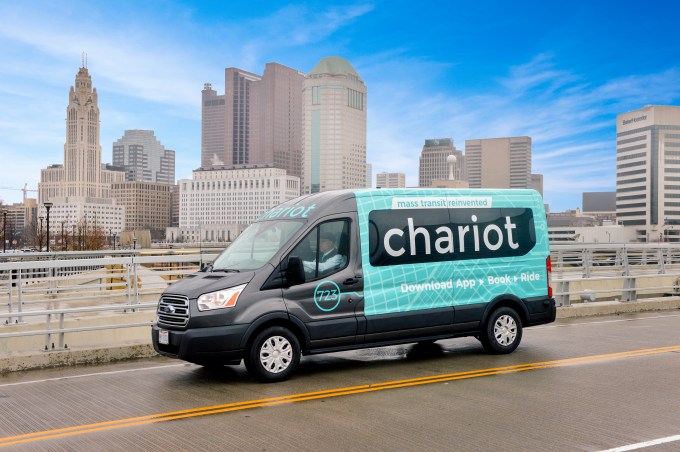
Chariot was a shuttle startup hoping to reinvent mass transit with a fleet of vans for commuters. The routes, supposedly, were determined based on a “crowdsourced” vote.

After acquiring the service two years ago, Ford shut it down at the beginning of 2019. The company didn’t offer many details, except to say that “in today’s mobility landscape, the wants and needs of customers and cities are changing rapidly.”

Daqri (2010 – 2019)

Total raised: $132 million

Daqri, another high-flying, heavily funded AR headset business, shut its doors around September and completed an asset sale. The company is one of many in the sector that failed to succeed in its efforts to court enterprise customers, as well as in its efforts to compete with Magic Leap, Microsoft and others.

Daqri was, at one point, speaking with a large private equity firm about financing ahead of a potential IPO, but as the technical realities facing other AR companies came to light, the firm backed out and the deal crumbled, according to earlier TechCrunch reporting. Sadly, Daqri wasn’t the only AR business to crumble this year.

HomeShare

Total raised: $4.7 million

HomeShare

HomeShare tried to deal with the challenge of rapidly rising housing costs by matching roommates who shared apartments split into “micro-rooms.” The company said that as of March, it had about 1,000 active residents.

As part of the shutdown, HomeShare said residents would not be getting back the deposits for their partitions — but they would be able to keep the divider or sell it.

Jibo (2012 – 2018/19)

Total raised: $72.7 million
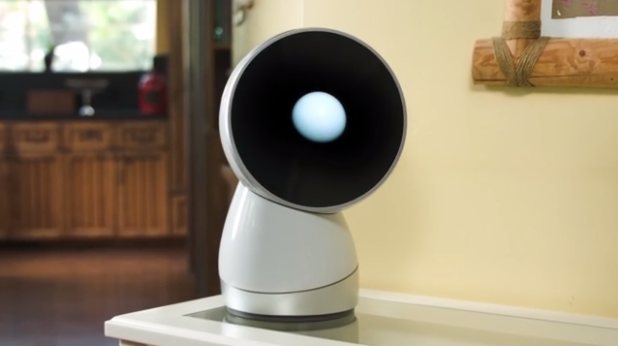
Between Anki and Jibo, you could say it was a tough year for consumer social robots. But then, there’s never been a great year for the category. Not yet, at least. Like the sad death of the original Aibo before it, Jibo’s end was punctuated by the incredibly depressing nature of watching an adorable robot friend draw its final breath. Jibo did just that in April, telling consumers, “I want to say I’ve really enjoyed our time together. Thank you very, very much for having me around.”

Jibo technically died in late-2018, but we’re making an exception due to the dramatic nature of its demise. The end came in spite of a successful crowdfunding campaign and a healthy amount of venture capital raised. In spite of it all, the startup was forced to lay off most of its staff and then, ultimately, send Jibo upstate to live on the robo-farm.

MoviePass (2011 – 2019)

Total raised: $68.7 million, acquired by Helios and Matheson in 2017

Image: Bryce Durbin / TechCrunch

Holy hell. Where to even start with this one? When we were putting this list together, one TechCruncher remarked that he swore MoviePass shut down years ago. That’s because (not unlike some current political events), the ticket subscription service’s magnificent train wreck of a demise appeared to unfold over the course of several years, in excruciating slow motion. We wrote a lot about it. A lot, a lot.

In fact, there seemed to be a new disaster every week, as the company hemorrhaged money, limited its service, experience outages, borrowed even more money, was forced to enter a kind of zombie state and had a massive data breech. Oh, and then there was the John Gotti movie it financed that was arguably even worse. By the end of it all, MoviePass’ ultimate demise almost felt like an act of mercy.

Munchery (2010 – 2019)

Total raised: $125 million

One of the first startup scandals of 2019 involved a once well-known meal delivery startup, Munchery. After the business emailed its customers notifying them of its imminent shutdown, its vendors came forward with a slew of accusations. Namely, the food delivery startup took advantage of them in its final hours, knowingly allowing them to continue making deliveries it couldn’t pay for.

The company’s sudden demise sparked a debate around accountability. While the CEO and its venture capital investors stayed largely silent, its vendors cried out for an explanation and even protested outside the offices of Sherpa Capital, one of Munchery’s backers, in search of answers and payments.

Nomiku (2012 – 2019)

Total raised: $145,000

One of the most recent additions to this list, Bay Area-based food startup Nomiku called it quits earlier this month. The company helped pioneer the consumer sous vide category, only to see the market flooded by competing devices. In multiple successful Kickstarter campaigns totaling $1.3 million, backing from Samsung Ventures and an attempted pivot into meal plans, the startup just couldn’t survive.

“The total climate for food tech is different than it used to be,” CEO Lisa Fetterman told TechCrunch. “There was a time when food tech and hardware were much more hot and viable. I think a company can survive a few hurdles, and a few challenges [ …] For me, it was the perfect storm of all these things.”

ODG (1999 – 2019)

Total raised: $58 million

A pioneer in the AR glasses space, news emerged of Osterhout Design Group’s (ODG) demise in the first few weeks of January. Only a couple of years ago, the company raised a $58 million financing — less than a year later, it had burned through its funding and couldn’t pay employees. By early 2018, ODG had lost half of its workforce as it sought loans to pay back employees. By early 2019, only a skeleton crew awaited a patent sale after acquisitions from several large tech companies, including Facebook and Magic Leap, fell through.

“I hope Magic Leap is a huge success. I want everyone in AR to be a huge success,” Osterhout said in an interview with TechCrunch in 2017. “[Augmented reality] is going to be transformative.”

Omni (2014 – 2019)

Total raised: $35.3 million

The startup began as a physical storage company, then tried to pivot after selling off its physical storage operations to competitor Clutter in May — it tried, unsuccessfully, to build a white-label software platform that would allow brick-and-mortar merchants to operate their own businesses for renting and selling products.

As part of the shutdown, roughly 10 Omni engineers were hired by Coinbase.

Scaled Inference (2014 – 2019)

Total raised: $17.6 million 

Founded by former Googlers Olcan Sercinoglu and Dmitry Lepikhin, Scaled Inference made headlines in 2014 with a plan to build machine learning and artificial intelligence technology similar to what’s used internally by companies like Google, and making it available as a cloud service that can be used by anyone. The ambitions were grand and attracted investors like Felicis Ventures, Tencent and Khosla Ventures.

Unfortunately, the company was forced to call it quits recently. Former CEO Sercinoglu tells us the shutdown was a result of a lack of funding due to insufficient commercial traction. “We were working on various options until the last minute and retained the team as long as we could, but it did not work out. On the plus side, we were able to be transparent with the team throughout the process,” he said.

Sinemia (2015 – 2019)

Total raised: $1.9 million

Sinemia

It was a rough year for MoviePass-style movie ticket subscription services in general. Sinemia seemed at first to be a more sustainable competitor, but it was plagued by subscriber complaints and even lawsuits around app issues, hidden charges and policies for shuttering accounts.

In April, the company announced that it was ending U.S. operations. To be clear, it did not say that it was shutting down entirely (much of its staff was based in Turkey), but the company’s website has since gone offline. If Sinemia survives in some form, it has disappeared from view.

Unicorn Scooters (2018 – 2019)

Total raised: $150,000
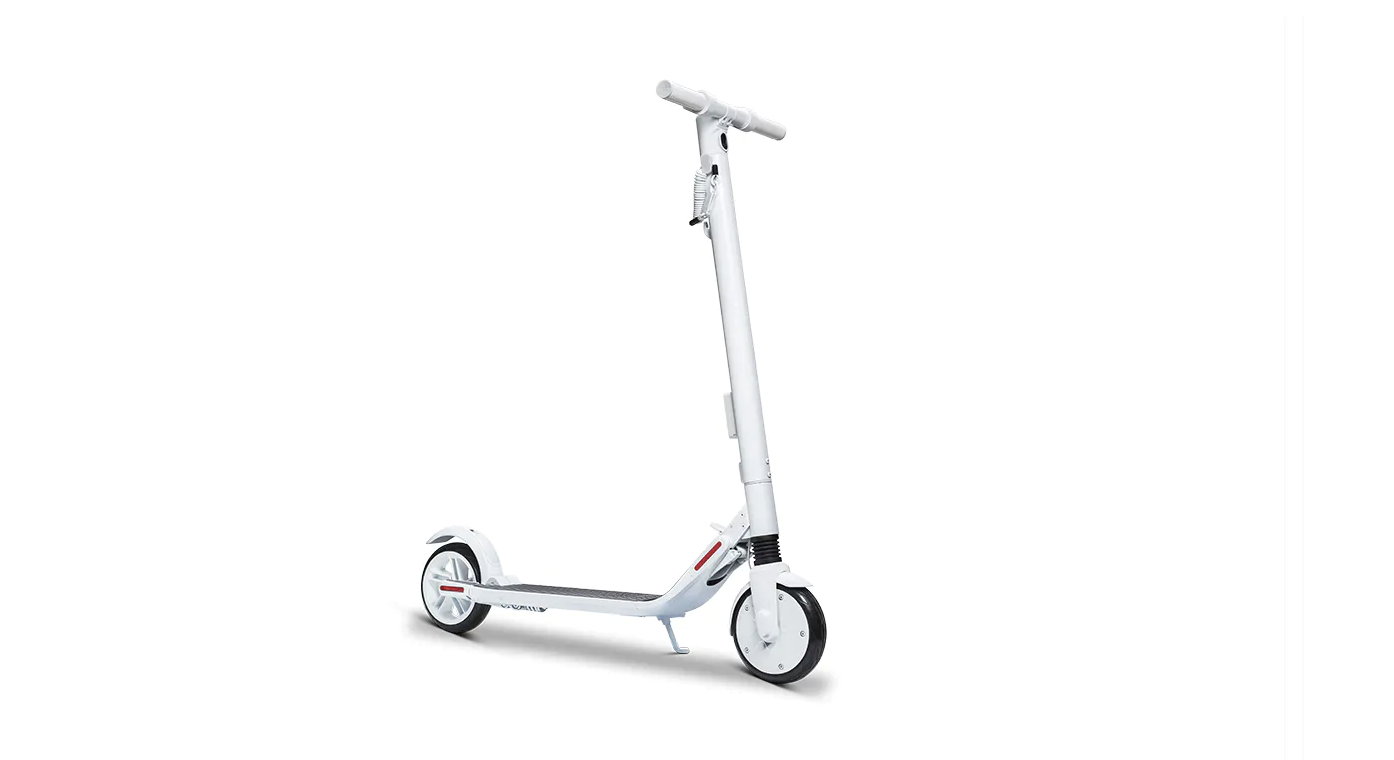
Unicorn Scooters was one of the first fatalities of the electric scooter craze of 2018, though certainly not the last. As the story goes, the business spent way too much money on Facebook and Google ads; the startup quickly shut down with no money left over to issue refunds for more than 300 of its $699 scooters that had been ordered.

The not-so-aptly named Unicorn had completed the Y Combinator startup accelerator only a few months before it called it quits, likely making it one of the fastest YC grads to shutter post-graduation. “Unfortunately, the cost of the ads were just too expensive to build a sustainable business,” Unicorn’s CEO Nick Evans wrote, according to The Verge. “And as the weather continued to get colder throughout the US and more scooters from other companies came on to the market, it became harder and harder to sell Unicorns, leading to a higher cost for ads and fewer customers.”

Vreal (2015 – 2019)

Total raised: $15 million
Db1b2YnUQAE P9n

via @VrealOfficial twitter

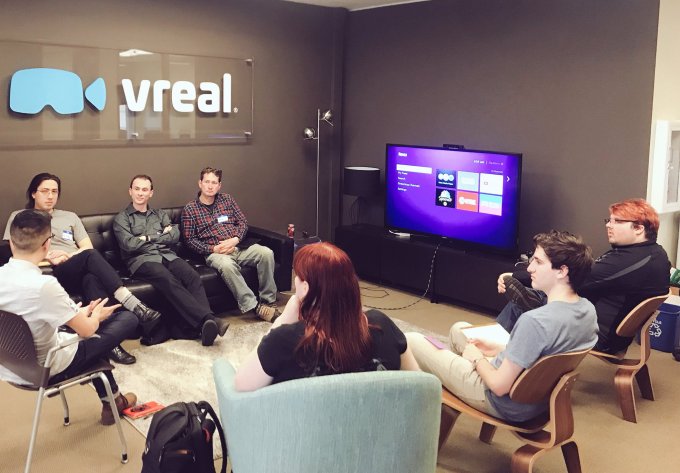
Vreal was an ambitious game-streaming platform that aimed to let VR users explore the worlds in which live-streamers were playing. Those users could walk around streamers as avatars, or they could explore on their own as passive observers while listening to the live-streamer blast their way through zombies.

“Unfortunately, the VR market never developed as quickly as we all had hoped, and we were definitely ahead of our time,” the company said in a blog post. “As a result, Vreal is shutting down operations and our wonderful team members are moving on to other opportunities.”


from Startups – TechCrunch https://ift.tt/377D4WD
via IFTTT

As 2019 closes, a look back at what happened to the altcoin boom

Hello and welcome back to our regular morning look at private companies, public markets and the gray space in between.

Today we’re peeking at what’s gone on in the world of altcoins recently, the other cryptocurrencies aside from bitcoin.

As 2016 came to a close, altcoins like ether and XRP saw their value soar. Toward the end of 2016 through early 2018, bitcoin’s relative share of the aggregate value of all cryptocurrencies fell to about a third.

Since then there’s been a reversal. Bitcoin is not only back over the 50% market share mark, it has effectively doubled its portion of crypto worth over the last two years.

What happened? Why altcoins have struggled isn’t something we can answer with a single data point or chart. But we can highlight a few reasons that help explain what happened. We’ll start with a look at the data and then we’ll highlight three ideas concerning what changed that pushed altcoins down, and bitcoin back up.

Over the past few weeks we’ve spent most of our time digging into IPOs, larger startups, stocks and revenue thresholds. Today we’re expanding our horizons a bit, looking at a market that sits somewhere to the side of our usual public-private divide. We’re having fun!

First words

Let’s start with a few caveats to save tweets.

We all know that comparing the value of a cryptocurrency or token isn’t the only way to stack blockchains against one another. We also also know that comparing market caps isn’t a perfect way to examine the market. And, yes, there’s lots of development work that goes on behind the scenes that doesn’t show up in the data we are going to examine.

That said, we’re nearly 11 years into the bitcoin era. We care a bit more today than we did a half-decade ago about what is, versus what might be.

Comparative worth

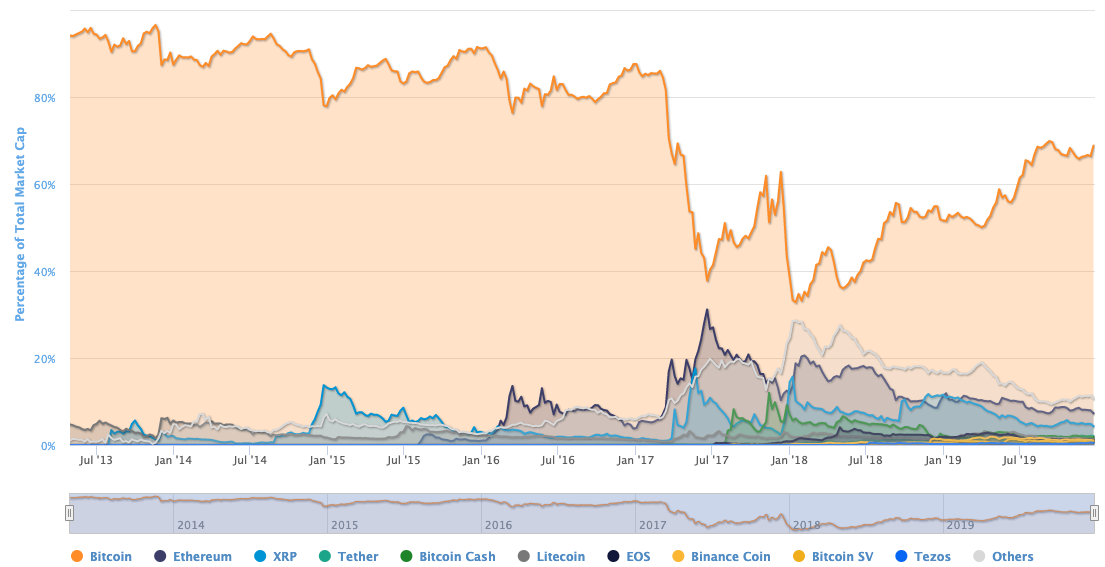
From the fine folks over at CoinMarketCap, the following set of data maps the relative value of the major cryptos, with smaller coins aggregated into a shared line:

I know it’s the day after a major holiday, so let’s help out. The big orange area is bitcoin. The 2017-2018 era is the period in which altcoins had their heyday. And since mid-2018 you can see bitcoin recapture most of its lost, relative prominence.

Bearing in mind that the value of bitcoin has traded as high as roughly $20,000 in late 2017, and is worth about $7,400 today, the chart does not merely show bitcoin recovering its former value. But it does show how over the last two years bitcoin’s share of the value of traded cryptos has doubled. Here are the key data points:

  • December 15, 2016, bitcoin share of total crypto market cap: ~86%
  • December 15, 2017, bitcoin share of total crypto market cap: ~55%
  • January 15, 2018, bitcoin share of total crypto market cap: ~33%
  • December 15, 2018, bitcoin share of total crypto market cap: ~55%
  • December 15, 2019, bitcoin share of total crypto market cap: ~66%

More simply, bitcoin’s share of the value of all cryptos held steady above 80% for a very long time. Then in early 2017 that same share began to fall. It continued to slip into the early days of 2018. Since then it recovered first to its December 2017 levels. And this year the relative value of bitcoin rose again, bringing it to twice its lowest ratings.

Why did that happen? Here are three reasons that form a part of the why.

There and back again

For those of you with pie to eat, here’s our arguments upfront. Bitcoin bounced back due to:

  1. The failure of distributed apps to take off in terms of usage, and spend;
  2. The general nonperformance of ICOs;
  3. A fraud-led flight to quality.


from Startups – TechCrunch https://ift.tt/37h9vSF
via IFTTT

Wednesday, 25 December 2019

Pyka and its autonomous, electric crop-spraying drone land $11M seed round

Modern agriculture involves fields of mind-boggling size, and spraying them efficiently is a serious operational challenge. Pyka is taking on the largely human-powered spray business with an autonomous winged craft and, crucially, regulatory approval.

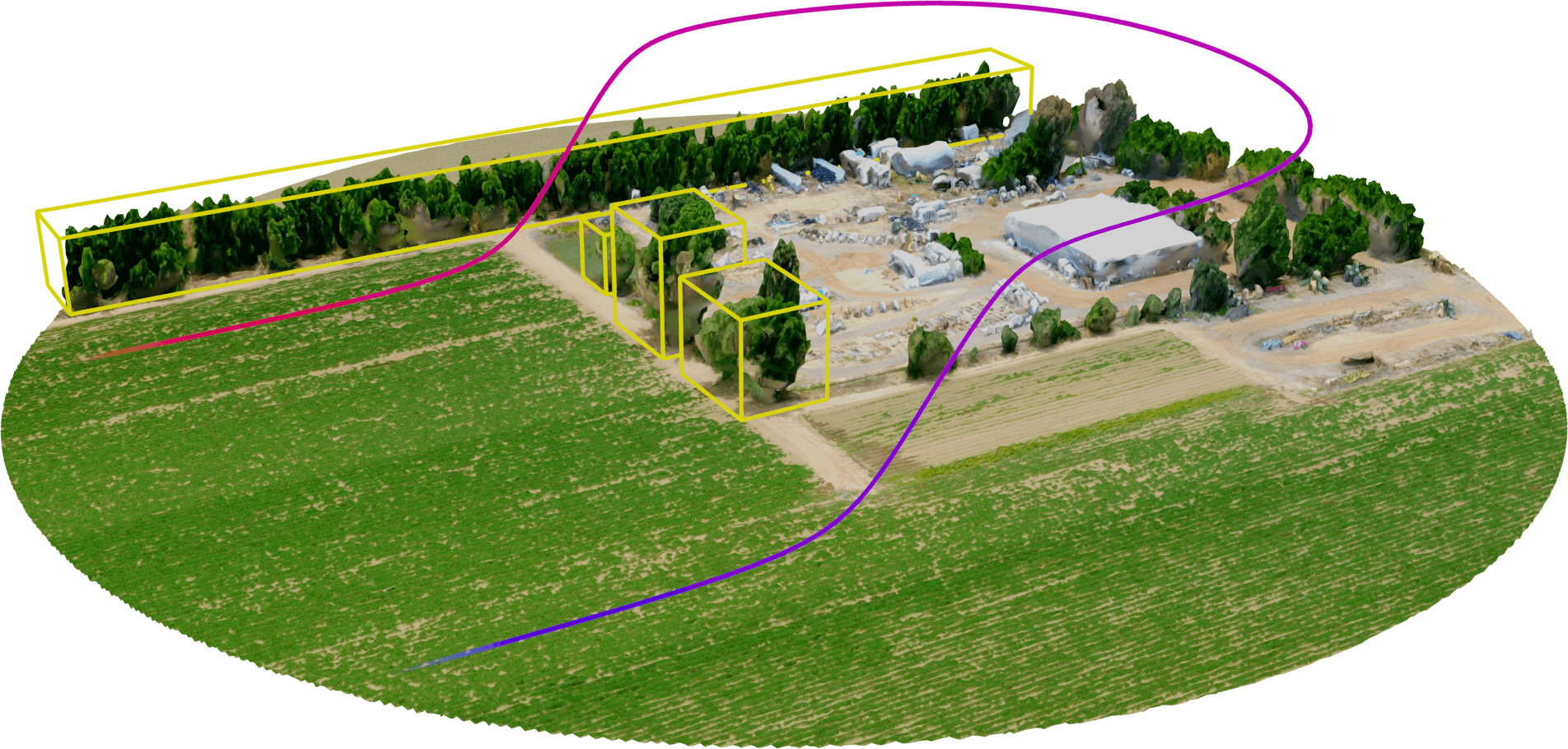
Just as we’ve seen with DroneSeed, this type of flying is risky for pilots, who must fly very close to the ground and other obstacles, yet also highly susceptible to automation; That’s because it involves lots of repetitive flight patterns that must be executed perfectly, over and over.

Pyka’s approach is unlike that of many in the drone industry, which has tended to use multirotor craft for their maneuverability and easy take-off and landing. But those drones can’t carry the weight and volume of pesticides and other chemicals that (unfortunately) need to be deployed at large scales.

The craft Pyka has built is more traditional, resembling a traditional one-seater crop dusting plane but lacking the cockpit. It’s driven by a trio of propellers, and most of the interior is given over to payload (it can carry about 450 pounds) and batteries. Of course there is also a sensing suite and onboard computer to handle the immediate demands of automated flight.

Pyka can take off or land on a 150-foot stretch of flat land, so you don’t have to worry about setting up a runway and wasting energy getting to the target area. Of course, it’ll eventually need to swap out batteries, which is part of the ground crew’s responsibilities. They’ll also be designing the overall course for the craft, though the actual flight path and moment-to-moment decisions are handled by the flight computer.

Example of a flight path accounting for obstacles without human input.

All this means the plane, apparently called the Egret, can spray about a hundred acres per hour, about the same as a helicopter. But the autonomous craft provides improved precision (it flies lower) and safety (no human pulling difficult maneuvers every minute or two).

Perhaps more importantly, the feds don’t mind it. Pyka claims to be the only company in the world with a commercially approved large autonomous electric aircraft. Small ones like drones have been approved left and right, but the Egret is approaching the size of a traditional “small aircraft” like a Piper Cub.

Of course, that’s just the craft — other regulatory hurdles hinder wide deployment, like communicating with air traffic management and other craft; certification of the craft in other ways; a more robust long-range sense and avoid system, and so on. But Pyka’s Egret has already flown thousands of miles at test farms that paying for the privilege. (Pyka declined to comment on its business model, customers, or revenues.)

The company’s founding team — Michael Norcia, Chuma Ogunwole, Kyle Moore, and Nathan White — comes from a variety of well-known companies working in adjacent spaces: Cora, Kittyhawk, Joby Aviation, Google X, Waymo, and Morgan Stanley (that’s the COO).

The $11 million seed round was led by Prime Movers Lab, with participation from Y Combinator, Greycroft, Data Collective, and Bold Capital Partners.


from Startups – TechCrunch https://ift.tt/2ruGEuQ
via IFTTT